

It’s always harder to follow your instincts.
At the end of this month, I’m heading to New York for a holiday. Sensible me knew I should buy dollars in advance, rather than waiting until the last minute. But, as it turns out, finding the “right time” to exchange currency is easier said than done.
As someone who spends most mornings writing a briefing note on movements in the currency market, this really shouldn’t have been a surprise to me. But, it turns out writing guidance for other buyers hadn’t sunk in for me.
Back in January, the pound wasn’t looking strong against the dollar. On the 20th – just before Trump’s inauguration – it dropped as low as 1.22. That didn’t feel like a good time to buy, so I waited. By the end of the month, it had crept up to 1.25. Not great, not terrible. Throughout February, it fluctuated around the same level. Some days I’d think, this is it – only to watch it fall again the next day.
Then came April.
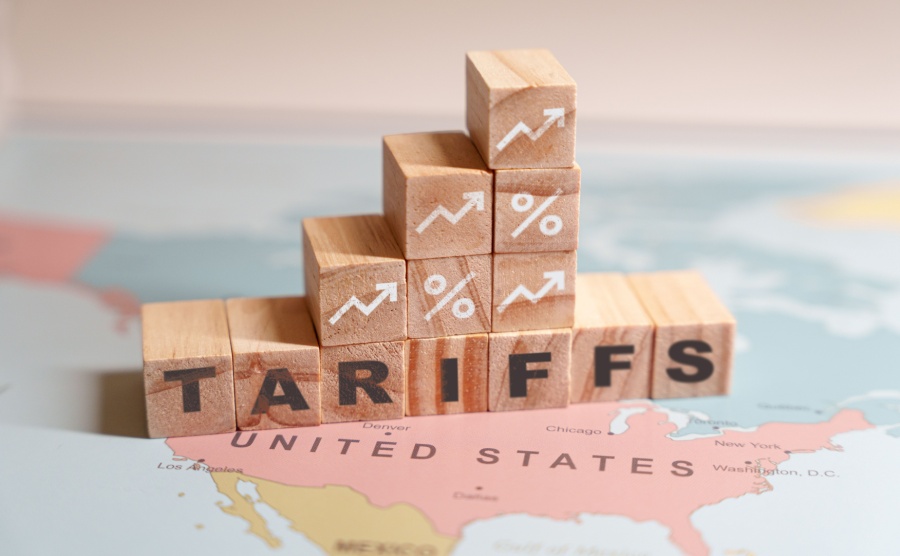
Trump’s tariffs turned an already unpredictable market extremely volatile
On April 2, ahead of US president Donald Trump’s tariff announcements, the pound surged to 1.32. Suddenly, each pound would buy me 10 cents more than in January. It seemed like the perfect time to buy. Except I didn’t. The trend was upwards – what if it climbed higher?
That hesitation cost me.
Trump’s tariffs were larger and more widespread than anyone predicted. And, as markets reeled from the new levies, investors scrambled to move their money to safer currencies and commodities. The pound took a hit. On April 3, it dipped by a cent. By April 4, it had fallen four more. On April 7, we were back to 1.27.
Sure, the pound regained some ground when Trump reversed course on the tariffs, but the stress of daily rate-checking became a routine I couldn’t shake. I was frozen by the possibility that any decision could be the wrong one – regretting not buying on April 2, yet still holding out for something better.
Even when the pound touched 1.32 again just yesterday, I hesitated. What if it went to 1.33 tomorrow? Spoiler: it didn’t.
All this agonising has been over £500 worth of dollars. The difference between the best and worst moments to buy? Around $50. Not life-changing. Yet I’ve spent literal months fretting over what to do, when I could’ve just locked in a rate and focused on planning my trip.
Sure, if I had bought it at 1.22, I would have been annoyed to see the exchange rate go up to 1.32. It would have felt like money I had lost out on, but with the task done and the dollars bought I would also be able to forget about the markets. My holiday money secure, it wouldn’t matter any longer what the markets did.
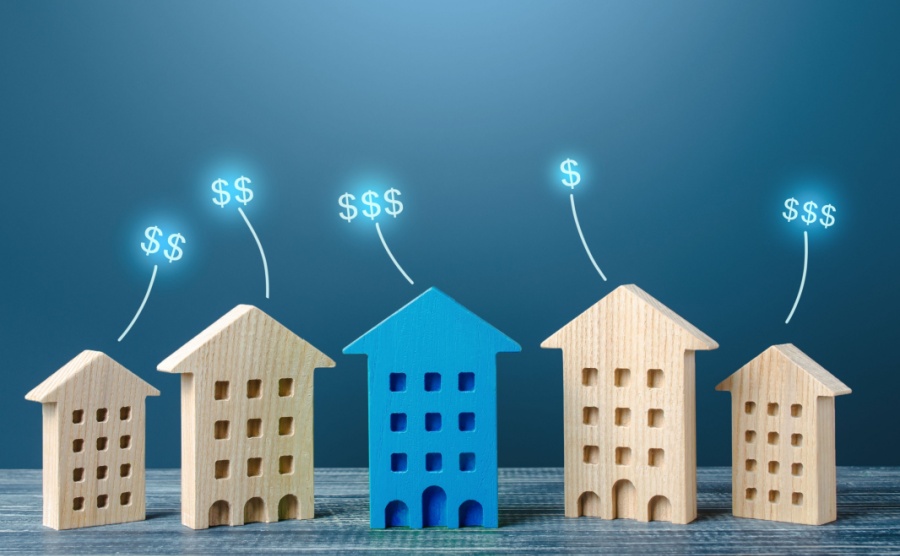
While the offer price you make on a house is fixed, the amount it costs you is not
Now imagine this wasn’t about £500 of holiday cash, but something more serious – like buying a home abroad.
Let’s say you’re purchasing a property in the US worth £500,000. If the rate moves from 1.22 to 1.32, that’s not a $50 difference. That’s a $50,000 difference.
And here’s the real kicker: with a property purchase, your price is fixed in the foreign currency, not pounds. Not only that, but the price is fixed at the moment your office is accepted. That means any movement in the exchange rate directly affects how much you’ll need to pay in your home currency to meet that offer. If the market shifts between offer and completion, your costs could spiral.
This is exactly the kind of risk a forward contract is designed to remove. It lets you lock in an exchange rate at the time you make your offer – so whether the market moves up, down, or sideways, your budget stays protected.
No second-guessing. No watching the news in fear. No “what if I’d waited just one more day?” Just peace of mind that you’ll pay what you expected to, and no more.
Trust me – as someone who’s lost hours obsessing over a relatively small exchange –when the stakes are higher, a forward contract isn’t just smart. It’s sanity-saving.
Book a call to one our account managers today to find out more.