
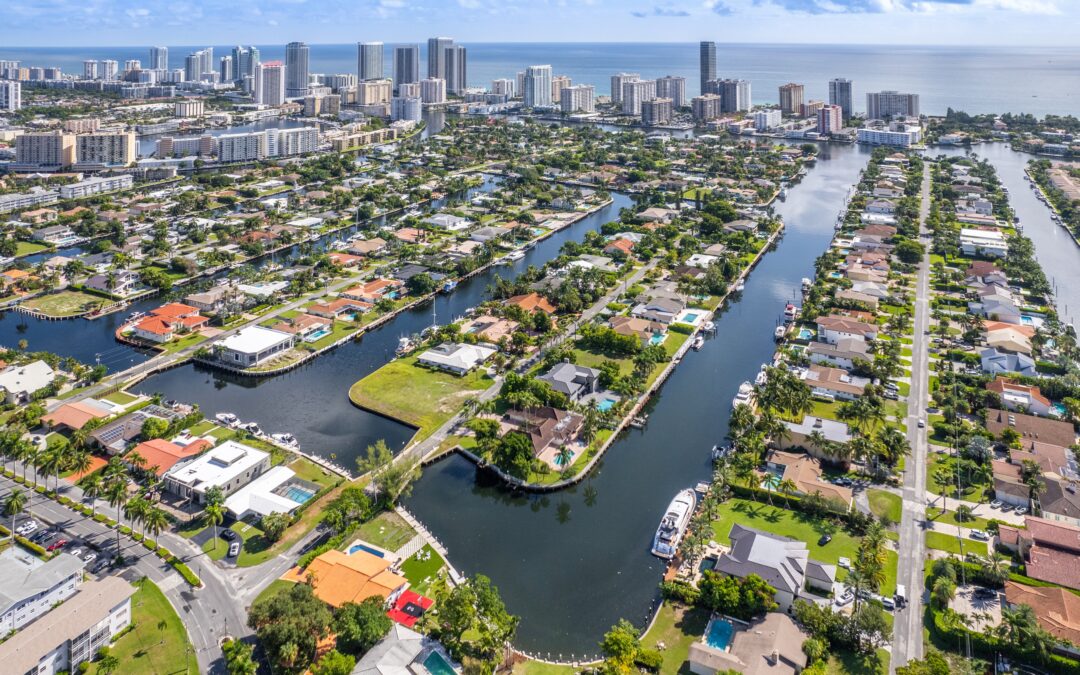
The United States is not just one property market; it is fifty distinct markets under one flag. From the art deco hotels of Miami and the brownstones of Boston to the ski lodges of Colorado and the desert villas of Arizona, the scale of opportunity is immense.
However, the “American Dream” comes with a distinct set of financial realities. The US buying process is highly structured, litigious and moves faster than almost anywhere in Europe. Crucially, the way agents are paid has recently changed, meaning buyers now face costs that were previously hidden or covered by sellers.
Whether you are looking for a holiday home in Florida or an investment property in Texas, understanding these shifts is vital.
This guide walks you through the essential steps of buying in the USA in 2026, from navigating the new realtor commission rules to understanding the strict visa limits. We also cover the most significant variable: the US dollar. As the world’s reserve currency, its strength directly impacts your buying power. We explain how to manage that exchange risk.
Can foreigners buy property in the USA?
Yes. The United States maintains an open policy towards international property buyers. You do not need a Green Card or US citizenship to purchase property.
However, there are two key legal nuances to be aware of:
- State-Level Restrictions: While federal law is open, some states (like Florida) have recently passed laws restricting foreign ownership near critical infrastructure and military bases. These rules primarily target “countries of concern” (such as China or Russia), but it is essential to check local zoning rules with a qualified attorney regardless of your nationality.
- FIRPTA: When you eventually sell your US property, the Foreign Investment in Real Property Tax Act (FIRPTA) requires that 15% of the sale price be withheld for the IRS. This is not a tax cost per se, but a withholding to ensure you file a tax return.
Visas and residency in the USA
A common misconception is that buying a home in the US grants you the right to live there. It does not. Owning property—even a multi-million dollar mansion—gives you zero residency rights.
- ESTA (Visa Waiver Program): Citizens of the UK, most EU countries, Australia and others can visit for up to 90 days without a visa. You cannot extend this or work while in the US.
- B-1/B-2 Visitor Visa: This allows for stays of up to 6 months. You must apply at a US embassy and prove you have ties to your home country.
- EB-5 Investor Visa: This offers a path to a Green Card but requires a substantial investment (typically $800,000 to $1.05 million) in a commercial enterprise that creates jobs. Passive residential property investment does not qualify.
- E-2 Treaty Investor Visa: Available to citizens of countries with a commerce treaty (including the UK). It requires investing a “substantial” amount in a US business you actively direct. Again, buying a holiday home does not qualify.
Why buy property in the USA?
Despite the strict visa rules, the US remains the top global destination for cross-border capital:
- Rental Yields: Short-term rental markets (like Orlando near Disney) offer robust year-round demand.
- Market Transparency: The Multiple Listing Service (MLS) provides clearer data on pricing and history than almost any other country.
- Currency Strength: Holding assets in US dollars is often seen as a hedge against volatility in other currencies.
The property-buying process in the USA
The US system uses “Escrow” companies or “Closing Attorneys” to act as neutral third parties.
- Get Pre-Qualified: Sellers will rarely entertain an offer without proof of funds or a mortgage pre-approval letter.
- Hire a Buyer’s Agent: This has changed recently. You must now sign a written agreement with your agent before touring homes, outlining how much they will be paid (see “Costs” below).
- Make an Offer: Written on a standard state contract. You typically pay an “Earnest Money” deposit (1-3%) into Escrow.
- Inspection Period: A critical 7-10 day window where you hire a professional inspector. You can usually walk away or renegotiate if major issues are found.
- Title Search: The Title Company ensures the seller has the legal right to sell and issues Title Insurance.
- Closing: You sign a mountain of paperwork (often 100+ pages). The funds are transferred, and you receive the keys.
Costs of buying a property in the USA
Budgeting has become more complex following the 2024 “NAR Settlement” regarding agent fees.
- Buyer’s Agent Commission: Previously, sellers almost always paid this. Now, it is negotiable. If the seller refuses to pay your agent, you may be liable for this fee (typically 2-3% of the purchase price).
- Closing Costs: These include title insurance, recording fees and transfer taxes. Budget 2-5% of the purchase price (excluding agent fees).
- Property Tax: This is an annual tax and varies wildly. It can be as high as 2-3% per year in states like New Jersey or Texas, or under 1% in Florida or Hawaii. Always check the specific tax bill for the address.
- HOA Fees: Monthly fees for condos or gated communities can be significant.
Why currency exchange is critical
You will need to send money at several stages:
- Earnest Money Deposit (within 3 days of offer acceptance)
- Down Payment (if getting a mortgage)
- Cash to Close (final balance)
The US dollar is the world’s primary reserve currency. It often strengthens when the global economy is unstable. If you hold pounds, euros, yen or krone, a strengthening dollar reduces your buying power instantly.
For illustration, a $400,000 condo could cost:
- £307,000 at a GBP/USD rate of 1.30
- £320,000 at a GBP/USD rate of 1.25
That is a difference of roughly £13,000. Because the US closing process is fast (often 30-45 days), you have very little time to “wait for the rate to improve”.
How to manage currency risk
You can reduce this uncertainty with a plan.
- Forward contract: Fix an exchange rate the moment your offer is accepted. This guarantees your “Cash to Close” amount in your home currency. It is essential in the US where backing out of a contract due to funds issues can mean forfeiting your Earnest Money.
- Market order: If you are browsing but haven’t found a home, set a target rate. We will automatically buy dollars for you if the market spikes in your favour.
Why use a specialist currency provider?
US Title Companies and Escrow Agents are extremely strict about “wire transfers”. They are prime targets for fraud, so they have rigorous protocols.
Smart Currency Exchange is experienced in dealing with US Title Companies. We verify the wiring instructions and ensure the “Federal Reference Number” (FED #) is included correctly, which ensures your funds are credited instantly. Sending money via a regular bank often leads to the funds arriving without the correct reference, causing delays at the Closing table.
Making transfers on time
The “Closing Date” in the US is firm. If your funds are not in the Escrow account on that day, you are in breach of contract.
- Send your funds at least 24-48 hours before Closing.
- Account for the time difference (US banks open later than UK/European banks).
- Ensure your “Source of Funds” is clear, as US anti-money laundering checks are stringent.
In summary: buying property in the USA
To make your purchase smooth and secure, follow these rules:
- Clarify the agent commission (who pays?) before you start viewing.
- Check the annual Property Tax bill, as this is an ongoing cost.
- Protect your budget from dollar volatility using a Forward Contract.
Frequently Asked Questions about buying property in the USA
Can I get a mortgage in the USA?
Yes. “Foreign National Mortgages” are available. They typically require a higher down payment (30-40%) and have slightly higher interest rates than domestic loans. You will need to show creditworthiness from your home country.
Do I need a lawyer?
It depends on the state. In “Attorney States” (like New York, New Jersey, South Carolina), a lawyer is mandatory to handle the closing. In “Escrow States” (like California, Florida), a Title Company handles the paperwork, though hiring an attorney is still permitted and often recommended for foreigners.
Can I rent out my US home?
Yes, but you must declare the income to the IRS. You will likely need an ITIN (Individual Taxpayer Identification Number) to file your US tax return.