
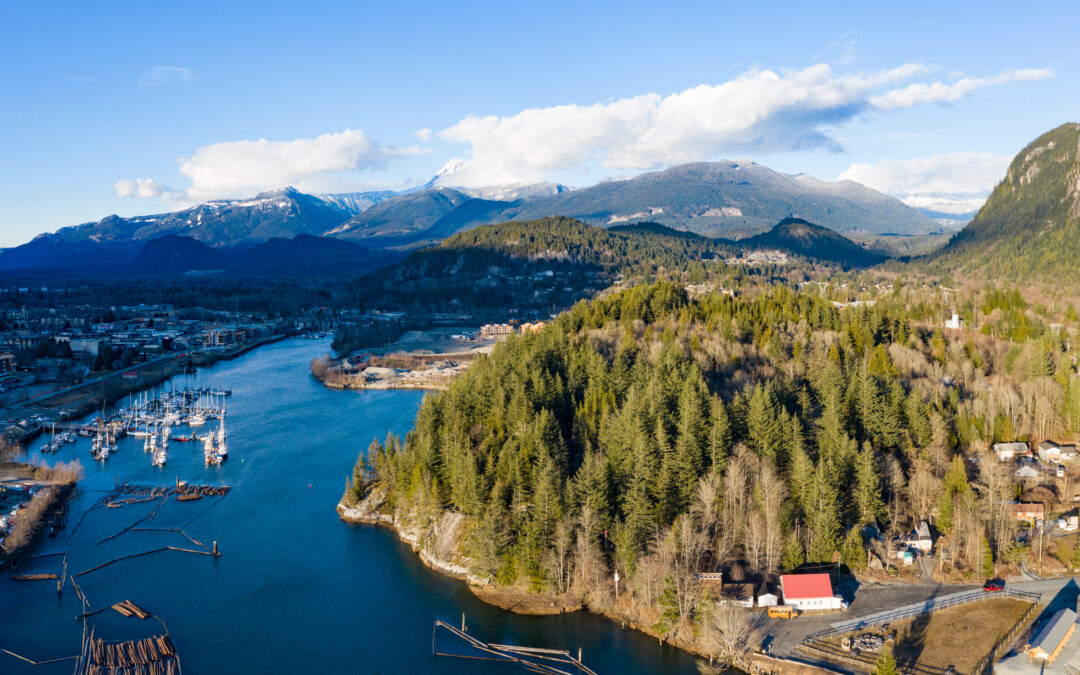
Canada is vast. It spans six time zones and offers a wilderness so expansive it can feel endless. Yet for international buyers in 2026, the property market is surprisingly small.
To cool housing prices, the federal government has effectively walled off the major cities from foreign capital. The “Foreign Buyer Ban” dominates the headlines, leading many to believe the door is firmly shut. It isn’t.
If you look beyond the skylines of Toronto and Vancouver, the market is open. The ban has specific exemptions for recreational properties, meaning that the dream of a lakeside cabin in Muskoka, a ski chalet in Whistler or a coastal retreat in Nova Scotia is still very much alive.
This guide navigates the specific geography of where you can buy, the punitive taxes you must avoid and the financial realities of purchasing in Canadian dollars. As a “commodity currency” heavily linked to oil prices, the “loonie” can be volatile against the pound or euro. We explain how to manage that risk.
Can foreigners buy property in Canada?
Yes, but geography is everything. The Prohibition on the Purchase of Residential Property by Non-Canadians Act bans foreign buyers from purchasing residential property in Census Metropolitan Areas (CMAs) and Census Agglomerations (CAs) until at least 1 January 2027.
However, you can still buy if you target the right areas:
- The “Recreational” Exemption: This is your golden ticket. The ban generally does not apply to properties outside of major population centres. You can still buy cottages, cabins and vacation homes in many rural communities and resort towns.
- Vacant Land: Purchasing vacant land zoned for residential use is generally permitted, although securing a construction loan as a non-resident can be challenging.
- Work Permit Holders: If you hold a valid work permit with 183 days or more remaining and have not purchased more than one residential property, you may be exempt.
- Temporary Residents (Students): There are exemptions for international students but the criteria (such as filing tax returns for the previous five years) are extremely strict.
Note: Always verify the specific census status of a location with a Canadian real estate lawyer before making an offer. Boundaries can be specific.
Visas and residency in Canada
Buying a home in Canada gives you no residency rights. You cannot retire there simply because you own property.
- eTA (Electronic Travel Authorization): Citizens of the UK, Australia and most EU countries can visit Canada for tourism for up to six months at a time. This is the standard route for holiday home owners.
- Super Visa: If you have children or grandchildren who are Canadian citizens or permanent residents, you may apply for a Super Visa. This allows for visits of up to five years at a time.
- Work Permits: To move permanently, you typically need to qualify for a skilled worker programme like Express Entry or be sponsored by a Canadian employer.
Why buy property in Canada?
For those who target the exempt rural areas, Canada offers immense value:
- Lifestyle: World-class skiing, hiking, fishing and sailing are on your doorstep.
- Stability: The Canadian banking and legal sectors are among the most conservative and stable in the world.
- Space: You can buy acres of land in rural provinces like Nova Scotia or New Brunswick for a fraction of the cost of property in the UK or Europe.
The property-buying process in Canada
The process is highly organised and relies heavily on realtors.
- Get pre-approved: Sellers will rarely entertain an offer without proof of funds or mortgage pre-approval.
- Hire a realtor: Buyers typically have their own agent. You will sign a “Buyer Representation Agreement” which outlines their commission.
- Make an offer: You submit a written Agreement of Purchase and Sale.
- Pay the deposit: Once accepted, you pay a deposit (typically roughly 5%) into the brokerage’s trust account within 24 hours.
- Satisfy conditions: The deal is usually conditional on financing and a home inspection for five to seven days.
- Close the deal: On closing day, your lawyer transfers the funds and registers the title. You get the keys late in the afternoon.
Costs of buying a property in Canada
This is the sting in the tail. Even if you are exempt from the Federal Ban, you may face punitive provincial taxes.
- Non-Resident Speculation Tax (Ontario): A massive 25% tax on the purchase price for foreign buyers across the entire province.
- Additional Property Transfer Tax (British Columbia): A 20% tax for foreign buyers in specified regions including Vancouver, the Okanagan and Nanaimo.
- Land Transfer Tax: Standard tax paid by all buyers. Rates vary by province (approx 1-2%).
- Legal Fees: Budget around CAD 1,500 to CAD 2,500.
- Underused Housing Tax (UHT): A federal 1% annual tax on the value of vacant or underused housing owned by non-Canadians. You must file a return even if you owe no tax.
Why currency exchange is critical
You will need to send money for the initial deposit (often within 24 hours), down payment, final balance and provincial taxes.
Canada uses the Canadian dollar (CAD), often nicknamed the “loonie”. It is a “commodity currency”, meaning its value is closely tied to the global price of crude oil. When oil prices rise, the CAD often strengthens.
For illustration, a CAD 600,000 property could cost:
- £333,000 at a GBP/CAD rate of 1.80
- £352,000 at a GBP/CAD rate of 1.70
That is a difference of roughly £19,000. If oil prices spike while you are waiting for your closing date, your property price in pounds, euros, yen or krone could jump significantly.
How to manage currency risk
You can reduce this uncertainty with a plan.
- Forward contract: Fix today’s exchange rate for your closing date. This protects your budget against oil-driven volatility in the Canadian dollar.
- Market order: If you are waiting for the right property, set a target rate. We will automatically buy CAD for you if the market hits that level.
Why use a specialist currency provider?
Canadian real estate transactions move on strict timelines. The deposit must often be paid within 24 hours of offer acceptance.
Smart Currency Exchange understands the urgency of the Canadian market. We ensure your funds arrive in the real estate brokerage’s trust account or your lawyer’s account on time, with the correct swift codes and references to prevent delays.
Making transfers on time
“Closing Day” is rigid. If funds are not cleared by the afternoon deadline, you cannot take possession and may face financial penalties.
- Send funds at least 48 hours before closing.
- Be aware of the time difference (five to eight hours behind the UK).
- Ensure your “Source of Funds” is well-documented for Canadian FINTRAC (anti-money laundering) compliance.
In summary: buying property in Canada
To make your purchase smooth and secure, plan early.
- Check the Federal Ban map to ensure you are buying in an exempt area.
- Check for Provincial Foreign Buyer Taxes especially in Ontario and BC.
- Protect your budget from CAD volatility using a Forward Contract.
Frequently Asked Questions about buying property in Canada
Can I get a mortgage in Canada?
Yes. Major Canadian banks lend to non-residents, typically requiring a 35% down payment. You often need to be physically present in Canada to open the bank account.
Can I rent out my property?
Yes, but you will pay 25% withholding tax on the gross rental income to the CRA (Canada Revenue Agency). You can file a tax return to reclaim expenses later.
Do I need a lawyer?
Yes. In Canada, lawyers (or notaries in Quebec) handle the transfer of title and funds. You cannot close a real estate deal without one.