

Frankfurt has the floor today. The euro edged higher against the dollar yesterday and went nowhere much against the pound, with few people willing to take a firm view before the European Central Bank (ECB) announces its interest rate decision this afternoon. Almost nobody expects it to sit still.
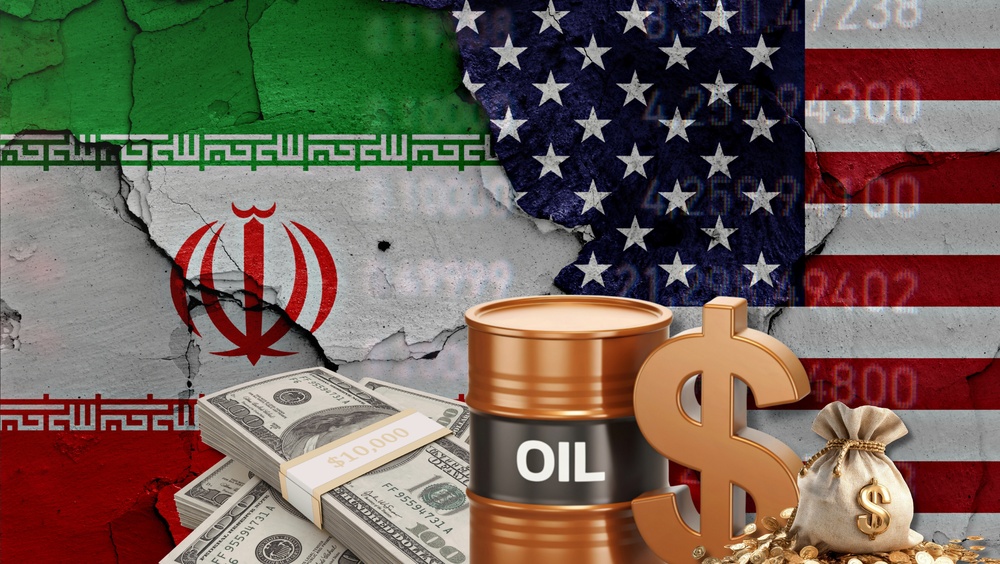
The reason is sitting in a barrel. Brent crude closed above $100 for the first time in nearly two months after Iran said it had struck two American vessels and eight oil tankers in the Gulf and told crews near Kuwaiti and Bahraini ports to abandon ship. Energy costs of that size never stay inside the energy bill for long.
Which is how eurozone inflation ended up running at 3.3% a year, its highest in roughly three years, with energy costs alone up more than 14% while the target sits at 2%. Take out food and fuel and the picture is calmer, easing a little to 2.4%. The difficulty for policymakers is that households do not get to take anything out.
That leaves the ECB in an uncomfortable spot. German inflation was confirmed this morning at 2.9%, with energy costs there up by more than 10% over the year. Yet factory output in the eurozone’s largest economy fell by more than 1% in July and exports slipped for the first time in five months, so raising borrowing costs into that takes some explaining.
Christine Lagarde, the ECB president, has argued that “the full inflationary impact of the energy shock has yet to play out”, which is the sort of phrasing that tends to come before action rather than patience. Fresh forecasts from the bank’s own economists land alongside the decision and are widely expected to show higher inflation than the summer set did. Lagarde takes questions from reporters shortly afterwards.
None of this is only a European story. Britain’s growth figures for July arrive tomorrow morning and the main American inflation reading follows in the afternoon, with the Bank of England and the Federal Reserve both deciding next week. Whether today turns out to be the first real answer to the energy question or simply the loudest guess at it should be a good deal clearer by this evening.
GBP: Pound firm before growth figures
Sterling is holding its best run against the dollar for a fortnight, helped rather more by a soft dollar than by anything cheerful at home. Long-dated government borrowing costs are at their highest in years, which caps the pound and puts John Healey, the chancellor, under an unforgiving light ahead of his Budget on 28 October. July growth figures arrive tomorrow morning and are expected to be weak, with the Bank of England's rate decision following next Thursday.GBP/USD: the past year
EUR: Rate rise meets weak economy
The euro has been making quiet headway against the dollar and drifting sideways against the pound, with this afternoon in Frankfurt the only thing anyone is really trading. A rise of a quarter of a percentage point is almost fully priced in, so the currency's direction will owe far more to Lagarde's tone at the press conference than to the number itself. Politics is the slower burn, after the Alternative für Deutschland won Sunday's state election in Saxony-Anhalt and with French borrowing costs still carrying a political premium.GBP/EUR: the past year
USD: Dollar soft before inflation test
The dollar slipped back yesterday, which is odd given that traders put a better than even chance on the Federal Reserve raising rates next Wednesday. Kevin Warsh, the Fed chair, has said underlying inflation trends have not meaningfully improved, and August's much stronger than expected jobs figures gave that argument some teeth. Factory-gate prices for August land this afternoon and the broader inflation reading follows tomorrow, either of which could harden that bet or unpick it.USD/GBP: the past year
For more on currencies and currency risk management strategies, please get in touch with your Smart Currency Business account manager on 020 3918 7255 or your Private Client account manager on 020 7898 0541.