

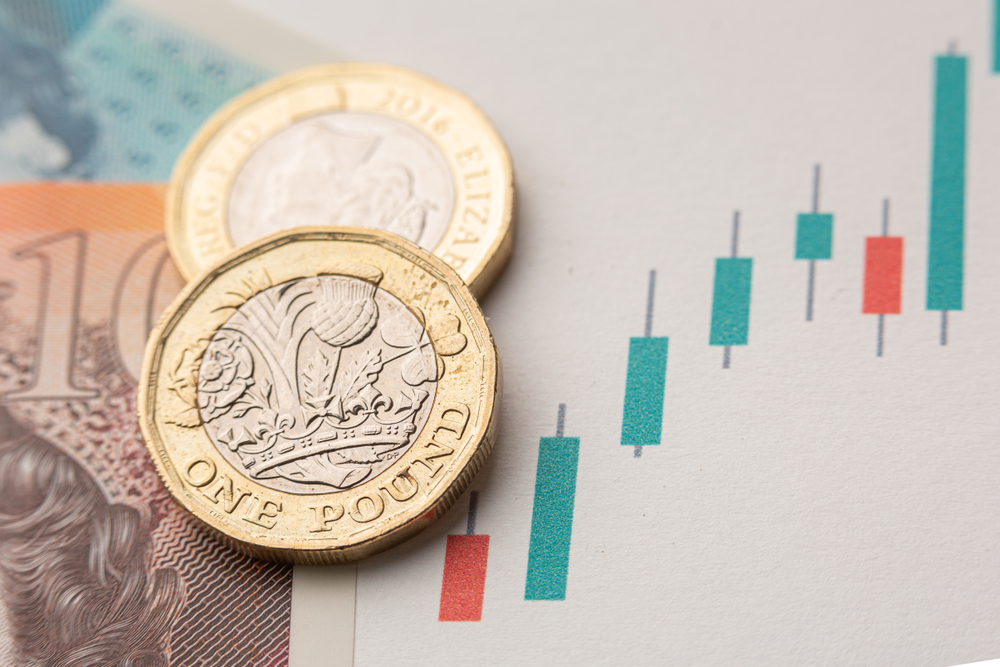
Sterling staged a bit of a comeback yesterday, bringing it back on a level with where it started the week against the euro and close to 1% up on Monday morning against the US dollar.
Although GBP/EUR’s uplift was small, it follows a gentle bottoming out from recent falls. The rise in GBP/USD is more substantial and has been put down to fading ‘Trumphoria’ in the markets. The man himself demanded lower interest rates (which he has no power over) but also dampened US business hopes of an immediate across the board import tariff.
Data-wise, there was mixed news on a relatively quiet day. The CBI’s Business Confidence Index dropped to -47, its worst reading for over two years. It revealed a litany of dismal readings, with export orders their worst since 2020, a significant rise in inflation and drop in employment.
But what of the public? Overnight we had the GfK Consumer Confidence Index which was also down, at -22. This was the worst December to January drop since 2011. The report, which measures a range of consumer attitudes, including forward expectations of the general economic situation, households’ financial positions and views on making major household purchases, was down on every measure.
Earlier yesterday we heard that eurozone consumer confidence has improved a little, powered by hopes of several interest rate cuts from the European Central Bank.
President Trump said earlier that not just the Federal Reserve should cut interest rates, but so should the rest of the world. In Japan the direction is the other way as the Bank of Japan starts to “normalise rates” after 17 years at near zero. It raised its headline rate from 0.25% to 0.5% and the yen strengthened in response.
Business leaders have been at Davos, in Switzerland, at the World Economic Forum. One of those, British chancellor Rachel Reeves has said she will be rowing back on some of the controversial changes to tax rules for non-domiciled residents that were announced in October’s budget. This appears to be in response to a dash for the exits by record numbers of millionaires in the UK. According to one authoritative report, almost 11,000 more millionaires left the UK than arrived in 2024. That included 12 billionaires. Some tax accountants went on record to say that Reeves’s reversals were nothing like enough to stem the exodus.
Make sure any upcoming transactions are protected against the risks of sudden market movements. Secure a fixed exchange rate now with a forward contract; call your account manager on 020 7898 0541 to get started.