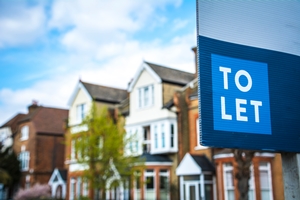

For many, 2026 is the year the long-held dream of an overseas home finally becomes a reality. The global property market is entering a period of normalisation after years of post-pandemic volatility, offering more stability for anyone looking at buying property abroad. But while the market may be calmer, the rules of engagement have changed.
From stricter energy regulations in Europe to evolving visa landscapes, buying a home abroad today requires more than just finding a villa with a view. It requires a strategy. In this guide, we outline ten practical steps to consider if you want your purchase to be safe, legal, and financially sound.
1. Define your “Why” early
In our experience, buyers who encounter difficulties often haven’t decided if they are buying for lifestyle or investment. In 2026, these two paths are diverging.
- Lifestyle buyers should prioritise location, community, and healthcare access.
- Investors must look at yields and the tightening regulations on short-term rentals. Trying to find a property that delivers a high yield and serves as a perfect retirement home is often a compromise that satisfies neither goal. Be clear on your priority from day one.
2. Understand the new visa landscape
Since Brexit, UK citizens are “third-country nationals” in the EU, meaning the 90-day rule applies unless you have a visa. However, 2026 offers established routes that were previously unavailable or in their infancy.
- Digital Nomad Visas: Countries like Spain, Portugal, and Italy now have mature pathways for remote workers that can lead to residency.
- Retirement Visas: The Non-Lucrative Visa (Spain) and D7 (Portugal) remain popular, but income requirements have risen to match inflation. Check the specific income thresholds for 2026 before you commit to a viewing trip.
3. Prioritise energy efficiency
When buying property abroad energy efficiency is no longer just about saving money on bills; it is about future-proofing your asset. The EU’s Energy Performance of Buildings Directive (EPBD) is pushing for higher standards. Properties with poor energy ratings may face renovation obligations or lower resale values in the future. When viewing older homes, ask to see the Energy Performance Certificate (EPC) and budget for potential upgrades like insulation or heat pumps.
4. Calculate your true buying cost
The price tag is never the final price. In most popular destinations, you must add between 10% and 15% to the purchase price to cover taxes and fees. For example, on a €300,000 (£250,000) property in Spain, you should budget an additional €30,000 to €45,000. This covers:
- Transfer tax (ITP) or VAT.
- Notary and registry fees.
- Legal fees.
- Currency transfer costs.
Read our 10 essential need-to-knows about buying costs here.
5. Don’t gamble with currency if buying property abroad
If you are buying property abroad in 2026, your budget is exposed to the foreign exchange market. Exchange rates fluctuate every second, and a move of just 1% can add thousands to your final bill. We recommend using a Forward Contract to fix your exchange rate. This allows you to lock in a rate for up to a year, securing your budget against volatility. Whether you are buying in euros, dollars, or Swiss francs, certainty is worth more than a gamble on the rate improving.
- Get in touch with the team to see how you can protect your budget.
6. Choose an independent lawyer
Never use the lawyer recommended by the seller, the developer, or the estate agent. Their primary client is the person paying them the commission—the seller. You need an independent lawyer who works solely for you. They will check for:
- Outstanding debts attached to the property.
- Illegal builds or planning infractions.
- Correct title deeds.
- Download our Buying Guide for a checklist of questions to ask your lawyer.
7. Check the rental regulations
If you plan to rent out your holiday home to cover costs, be aware that many regions are clamping down on short-term lets. Cities like Lisbon, Barcelona, and parts of the Canary Islands have introduced strict licensing limits. Ensure the property already has a tourism license, or verify with your lawyer that obtaining one is actually possible in that specific zone.
Read more about why rental planning is crucial.
8. Rent before you buy
If you are retiring or moving full-time, consider renting in your chosen area for six months first. A town that is lively in August can be deserted in January. Renting allows you to experience the “off-season” reality – the weather, the open shops, and the local community – without a financial commitment. It also puts you in a stronger position as a cash-ready buyer when you are ready to purchase.
9. Plan for healthcare
Healthcare is a critical consideration for those over 50 looking at buying property abroad. While many countries have excellent public systems, access for non-residents or new arrivals can be complex.
- EU Residents: You may need private health insurance for your visa application.
- Pensioners: UK state pensioners may access healthcare via the S1 form in countries like Spain and France, but the application process takes time. Research the local clinics and hospitals near your potential property.
10. Visit in the winter
It is easy to fall in love with a property when the sun is shining and the bougainvillea is in bloom. We always advise clients to visit their target area on a rainy Tuesday in November.
- Does the house have adequate heating?
- Is the access road passable?
- Are the local restaurants open? Seeing a location at its worst ensures you won’t be disappointed later.
FAQs
Is 2026 a good time to buy property abroad? The market in 2026 is seeing more stability (“normalisation”) after years of volatility. With interest rates predicted to stabilise and inventory levels recovering in many areas, it is a balanced market for buyers who do their due diligence.
Can I get a mortgage overseas in 2026? Yes, banks in countries like Spain and France lend to non-residents, typically up to 60-70% of the property value. However, affordability checks are strict. Speak to a specialist overseas mortgage broker early in the process.
Do I need a visa to buy property in Europe? No, you do not need a visa to buy or own property. You only need a visa if you intend to stay longer than 90 days in any 180-day period. Ownership itself does not grant residency rights (with the exception of specific “Golden Visa” schemes, though these are becoming rarer).